



Website Accessibility & ADA Compliance for Websites
Learn what website accessibility means, why ADA compliance for websites is becoming a growing legal concern, and how accessibility standards impact businesses across industries. We’ve put together a clear, friendly overview, key milestones, and bite-sized, easy-to-digest insights to help you understand both your risk and next steps.
What Is Website Accessibility?
Making the web usable for everyone.
Website accessibility helps people with disabilities—such as visual, auditory, motor, or cognitive impairments—comfortably use and interact with your website. This includes screen reader compatibility, keyboard navigation, readable content, and accessible forms that don’t get in the way.
In short, website accessibility helps your digital content work smoothly across assistive technologies while supporting broader ADA compliance for websites. It removes friction, keeps the experience user-friendly, and is an importnat ingredient in thoughtful website design and development.

Why Accessibility Matters Now
Rising ADA compliance enforcement.
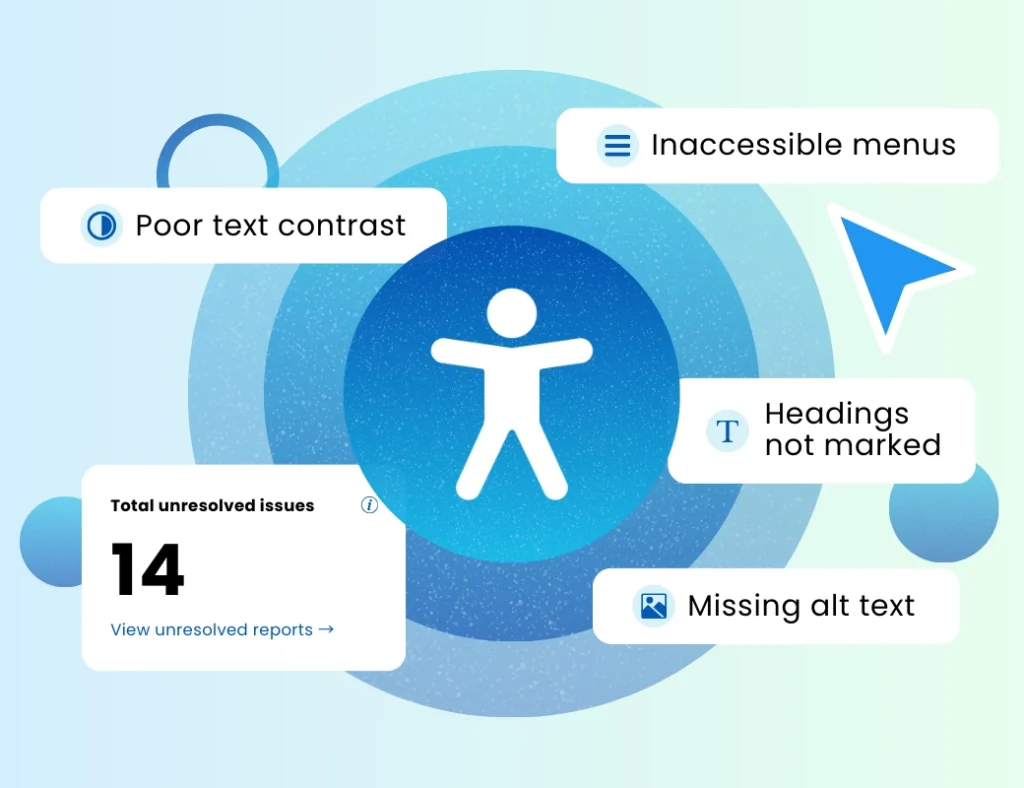
Thousands of ADA website lawsuits are filed annually in the U.S., with retail and e-commerce leading the way:
- ADA lawsuits are increasing every year
- E-commerce and service-based businesses are primary targets
- Courts and the DOJ increasingly rely on WCAG standards
- Accessibility “overlays” alone are not the sweet fix they’re often sold as
ADA & Website Accessibility Timeline
- 1990 – ADA signed into law (web not yet addressed)
- 1999 – WCAG 1.0 published by W3C
- 2006–2008 – Target® lawsuit establishes precedent
- 2012 – Netflix case confirms digital media obligations
- 2017 – Winn-Dixie ruling brings websites into focus
- 2020 – COVID accelerates online accessibility enforcement
- 2022 – DOJ confirms ADA applies to websites & apps
- 2024–2026 – DOJ mandates WCAG 2.1 AA for government sites
Industries Most Affected
Where accessibility risks are highest.
While any business can be impacted, some industries face a little more heat due to how customers rely on their websites to complete important actions.
- E-Commerce & Retail – checkout flows, product images, forms
- Healthcare – patient portals, appointment systems
- Legal & Professional Services – client intake forms
- Hospitality & Travel – booking engines
- Education & Government – public-facing content

Accessibility Standards, WCAG, & Common Misconceptions
What compliance looks like, and where businesses often get it wrong.
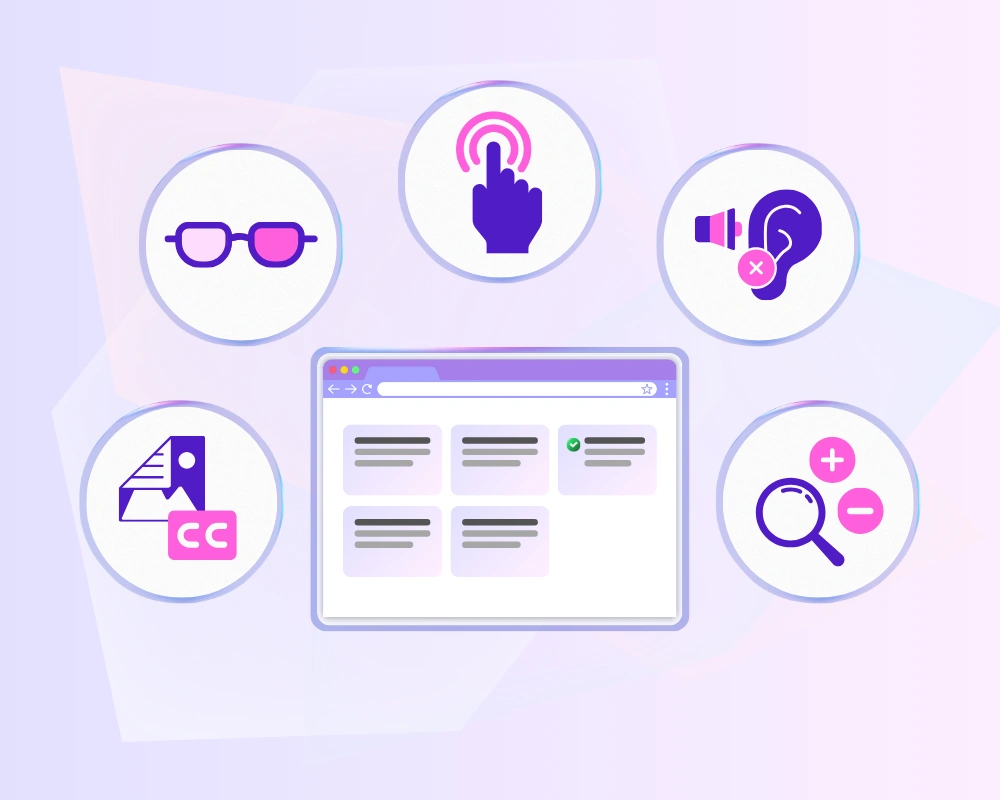
Most accessibility requirements are based on the Web Content Accessibility Guidelines, a set of technical standards used to evaluate website accessibility and determine ADA compliance for websites.
Because those standards can feel complex, especially with so many tools, opinions, and legal terms floating around, this section smooths out common misunderstandings and explains, at a high level, how accessibility is typically evaluated.
❌ Common Accessibility Misconceptions
- Accessibility widgets or overlays guarantee compliance
- Small businesses are not subject to accessibility requirements
- Accessibility limits visual design or branding
- Automated tools alone can identify all accessibility issues
✔️ How Accessibility Is Typically Measured
- WCAG 2.1 Level AA, part of the Web Content Accessibility Guidelines, is the most commonly referenced standard
- Courts and regulators rely on technical guidelines rather than tools
- Manual testing is necessary alongside automated scans
- Accessibility applies to content, design, and functionality
Have Questions About Your Website?
We’re happy to take a look!
Whether you’re proactively improving website accessibility or responding to legal concerns, understanding ADA compliance for websites starts with knowing where your site stands.
Curious about your website’s accessibility or just want a second opinion? Book some time with us. We’ll test your website, then walk through things together and help point you in the right direction.
Use our booking form to get started!