


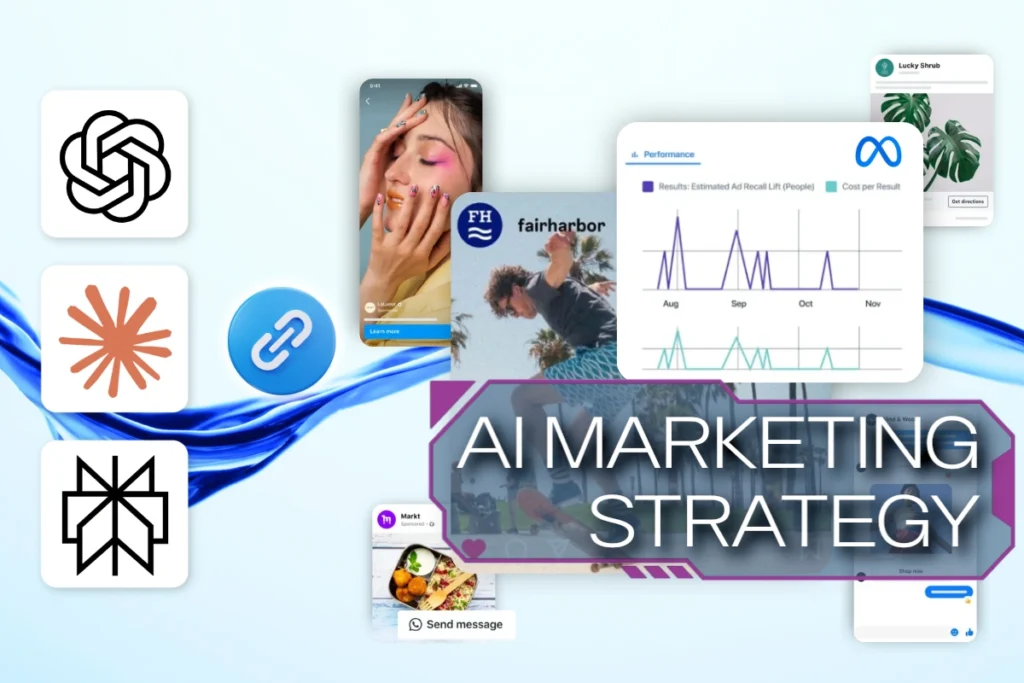
Meta recently announced Meta Ads AI Connectors, giving advertisers a new way to interact with their Meta ad accounts through supported AI platforms like ChatGPT, Claude, and Perplexity.
The announcement came with plenty of technical language, references to MCP servers, and AI terminology that can make your eyes glaze over before reaching the second paragraph.
The simpler version: Meta is allowing advertisers to connect certain AI platforms directly to their ad accounts. Once connected, those platforms can help review campaign performance, identify account issues, create campaigns, manage product catalogs, and complete other account-related tasks through natural language.
For marketing teams, agencies, and business owners juggling multiple platforms, that could make certain day-to-day tasks a little sweeter.
What are Meta AI Connectors?
Meta Ads AI Connectors create a secure connection between a Meta ad account and a supported AI platform.
Once connected, advertisers can ask questions, request reports, review account performance, troubleshoot issues, and manage certain account activities without spending as much time digging through Ads Manager.

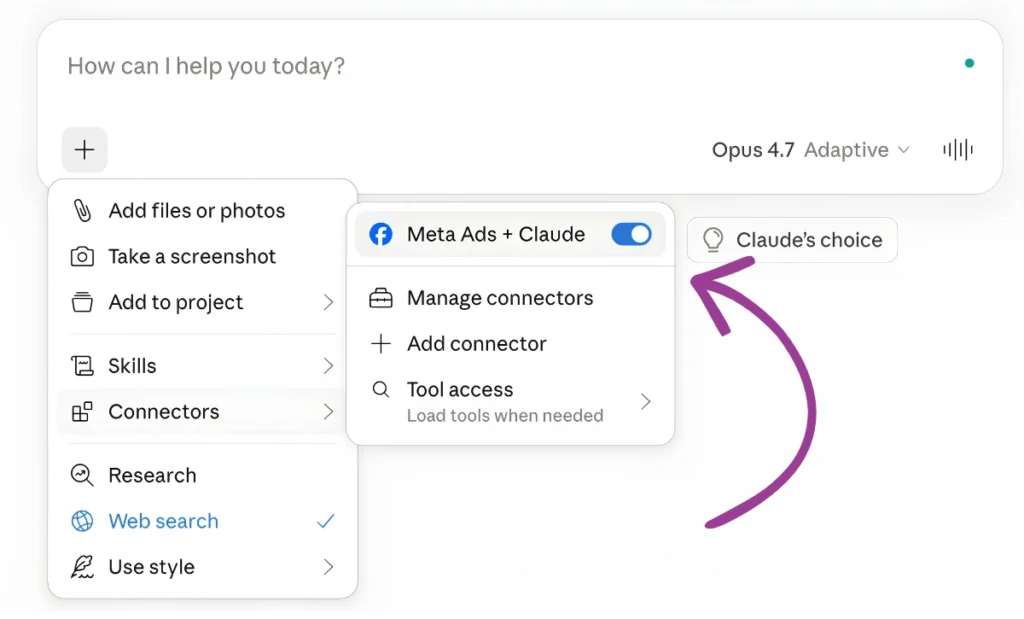
According to Meta, connected AI platforms can assist with:
- Campaign reporting and performance reviews
- Campaign creation and editing
- Product catalog management
- Tracking and signal diagnostics
- Help Center searches and troubleshooting
The feature supports both read and write capabilities. That means a connected platform can retrieve information and help make account changes. Any write actions still require approval before changes are applied.
That last part is worth noting. Meta is not handing control of your ad account over to AI. Advertisers will remain in control of what gets changed and what stays put.
Why Meta is Bringing Ads Into AI Workflows
One of the more interesting parts of the announcement has very little to do with AI itself.
Throughout the rollout, Meta repeatedly references cross-channel insights, custom workflows, and flexibility across publishers.
That reflects how many businesses already work.
A marketing manager may review reporting in one platform, build presentations in another, monitor analytics somewhere else, and use AI tools throughout the day to support planning, reporting, and decision-making. Very few teams spend their entire day inside a single advertising platform.
That’s what makes this update interesting.
Rather than forcing every task to begin inside Ads Manager, Meta is giving advertisers more flexibility in how they manage and review their campaigns. For agencies managing multiple clients and businesses advertising across several channels, that flexibility may end up being the sweetest part of the announcement.
The Real Opportunity isn’t AI
The biggest opportunity here may have very little to do with artificial intelligence.
Most businesses already have access to plenty of marketing data. Reports get generated every month, dashboards get built, campaign performance gets tracked, and customer actions get recorded.
Finding information is rarely a challenge. Figuring out what it means and what to do next is where things can get sticky. That’s where Meta’s announcement becomes more interesting.
A business owner who rarely opens Ads Manager may find it easier to get answers through ChatGPT. A marketing manager may be able to identify an issue faster. An agency may spend less time digging through data and more time discussing opportunities with clients.
This shift isn’t limited to advertising. Businesses are facing similar changes across search, customer engagement, and AI-powered discovery. Whether someone is asking ChatGPT a question or interacting with an AI-connected ad account, the common theme is the same: businesses need their information organized, accessible, and ready to support better decisions.
Marketing teams spend plenty of time reviewing performance, investigating issues, and deciding what to do next. If connected AI platforms can help shorten those tasks, that creates more time for strategy, optimization, creative development, and the work that moves campaigns forward.
Before You Connect Your Ad Account
Meta’s AI Connectors are still relatively new, and many advertisers are approaching them carefully. There’s no sense in handing over your entire candy jar in one day.
For most businesses, reporting and account reviews will likely be the easiest place to start. Pulling performance summaries, reviewing tracking health, and identifying potential issues can help advertisers get comfortable with the feature before allowing broader account management capabilities. That’s especially true for businesses already investing in paid advertising and looking for new ways to manage campaign performance.
Businesses should also pay close attention to permissions and approvals. Meta requires authorization before account changes are made, which gives advertisers an opportunity to review recommendations before campaigns, budgets, or catalog settings are modified.
This is still a new rollout, and Meta is gradually expanding availability. Starting small can help advertisers learn where these tools fit into their workflow before giving them a larger role.
One Last Sweet Thought
Meta’s AI Connectors are not a replacement for strategy, creative thinking, or marketing expertise. What they may do is help advertisers identify trends sooner, streamline routine tasks, and spend less time jumping between platforms.
That may not grab headlines the way some AI announcements do, but it could have a bigger impact on day-to-day marketing workflows.
The businesses that gain the most value from AI often aren’t the ones chasing every new feature. They’re the ones finding practical ways to save time, spot opportunities faster, and make better marketing decisions. Meta’s latest update feels like another step in that direction.
Curious how AI is influencing advertising, search, and customer discovery?
Explore our resources on AI Optimization (AIO), GEO, and AEO to see how businesses are preparing for a more AI-assisted marketing environment.

AIO FAQs
GEO FAQs

AEO FAQs