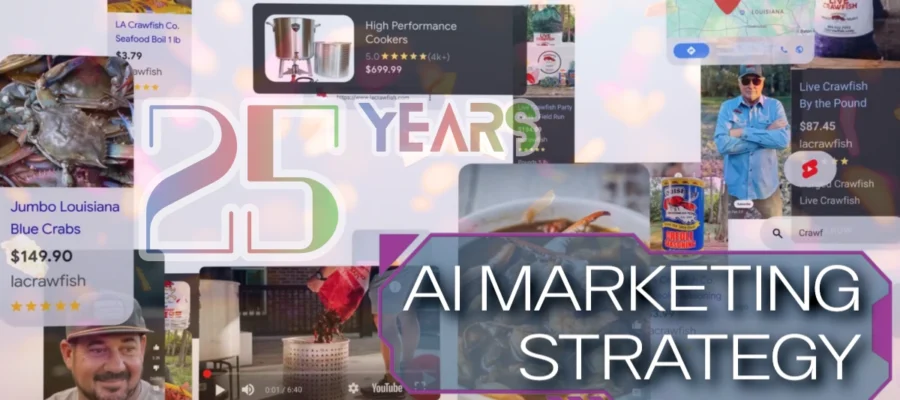
Google Ads reached a 25-year milestone this year, creating a delicious moment to pause, look back, and see what AI now makes possible moving forward. AI advertising has changed how campaigns learn, adapt, and scale. Google’s newest generation of tools introduced deeper intelligence to the ad process, giving marketers access to systems that study behavior, form patterns, and guide placements with greater accuracy.
Today’s AI-powered advertising helps businesses:
- read intent across platforms in real time
- anticipate shifts in demand
- produce creative variations quickly
- improve asset alignment across channels
- reach new audiences through predictive modeling
This environment moves past basic automation. AI advertising supports growth with stronger precision, quicker insight cycles, and continuous learning that keeps performance steady, smooth, and just a bit sweeter.
What’s New in AI_Powered Advertising
Google released several major innovations that guide how marketers build modern campaigns. Each improvement strengthens targeting, creative diversity, and predictive accuracy.
AI Max
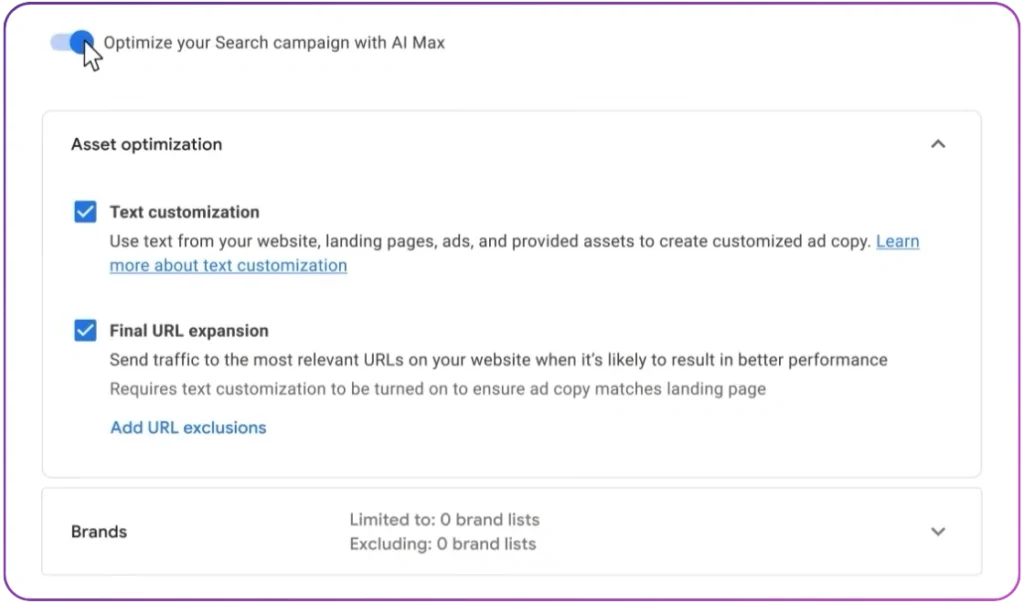
AI Max creates a streamlined, AI-guided campaign setup for advertisers. The system evaluates goals, creative inputs, and available signals to recommend settings that support faster learning. It also generates text and image assets, flags areas that need attention, and prepares the account for stronger AI performance.
Performance Max
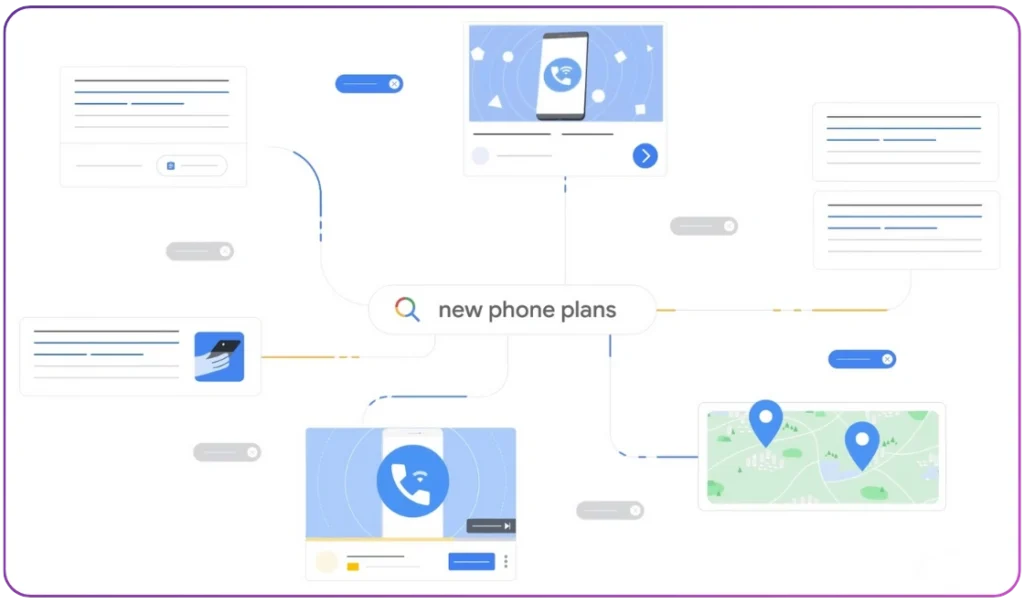
Performance Max studies behavior across Google’s entire ecosystem. Instead of relying on isolated tactics, PMax blends signals to determine which creative combinations to serve, where to serve them, and who should see them. This approach expands reach, stays flexible, and builds smoother paths from discovery to conversion.
Demand Gen
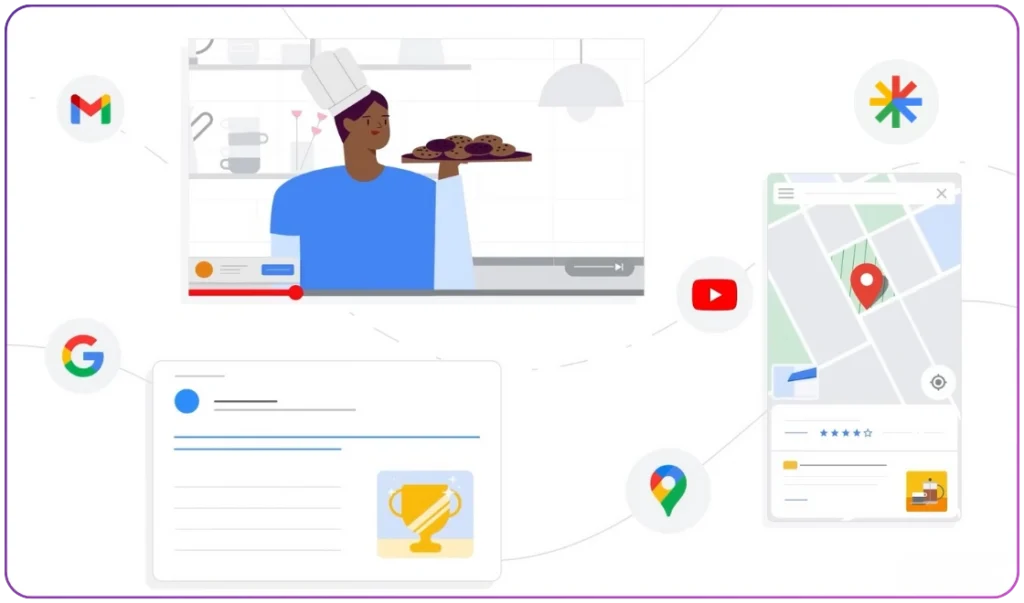
Demand Gen campaigns are designed to spark interest and drive action across visually rich platforms like YouTube, Discover, and Gmail. Unlike traditional search ads that capture existing demand, Demand Gen focuses on creating demand by reaching people earlier in their buying journey with engaging, personalized content.
Creative AI Tools
Google’s creative AI generates fresh variations quickly, allowing teams to test more concepts without creative slowdowns. Marketers can explore new angles, refresh campaigns more often, and maintain brand consistency across formats. Creative AI also reviews asset quality and suggests improvements that support better performance in AI-driven environments.
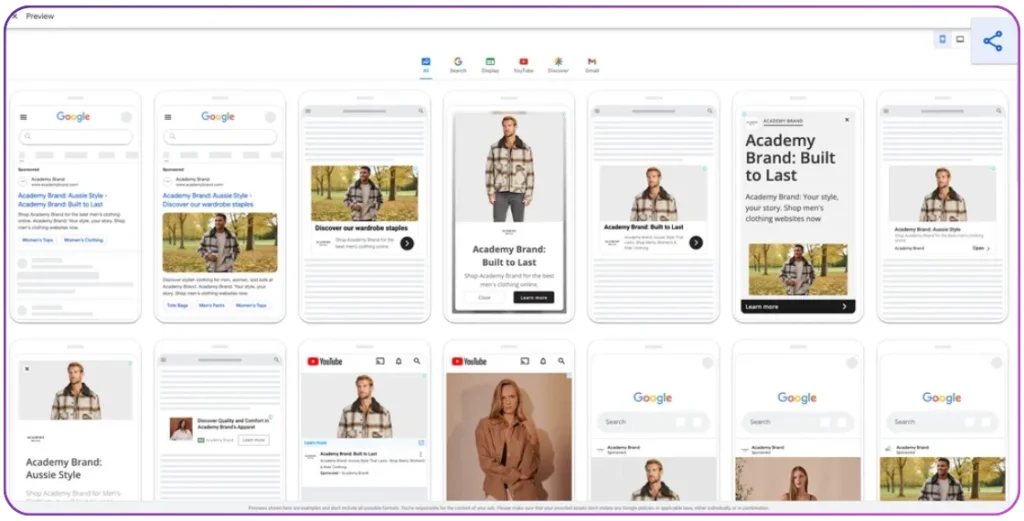
These advancements work together to form a system built for learning, scale, and speed.
The Sweet 25-Year Build-Up to Modern AI Advertising
Modern AI advertising grew from steady improvements across Google Ads. Each step strengthened the foundation we rely on today.
- 2000–2002: AdWords launches and PPC introduces performance-focused advertising
- 2005–2006: Quality Score and Ad Rank reinforce relevance and better user experiences
- 2005–2008: Display, local ads, DoubleClick, YouTube ads, and maturing analytics create a multi-surface environment
- 2010–2013: Mobile reshapes search behavior and targeting
- 2015–2017: Smart Bidding brings machine learning to bidding and optimization
- 2018: AdWords rebrands to Google Ads, reflecting a broader, multi-channel ecosystem
- 2019–2024: Performance Max, Demand Gen, Discovery Ads, AI Max, and creative automation introduce AI-powered advertising at scale
This progression set the stage for the predictive, cross-channel systems marketers use today, systems built to learn quickly and deliver tastier results.
Why This Matters for Business Growth
Modern advertising needs speed, consistency, and better insight. AI-powered advertising supports all three. Businesses gain steadier visibility without constant manual adjustments, and marketers receive clearer signals based on real behavior instead of assumptions.
AI in advertising supports growth because it can:
- identify emerging trends before competitors react
- deliver consistent performance with fewer wasted impressions
- expand creative testing without slowing teams down
- form audiences around interest patterns instead of demographic guesses
- maintain visibility during unpredictable consumer shifts
- pair first-party data with predictive models for more accurate outcomes
Brands that prepare their data and creative for AI-led systems gain an advantage that compounds over time.
How to Build a Stronger Strategy With AI Advertising
Strengthen First-Party Data
AI systems rely on well-defined signals. Accurate conversions, structured events, GA4 configuration, offline data, and reliable tagging help models recognize high-value actions. Strong data supports faster learning cycles and more precise targeting across Google’s surfaces.
Use GA4 to Power Better Signals
GA4 provides the behavioral detail AI needs to form stronger predictions. Clean event tracking, custom dimensions, audience lists, and clear conversion priorities give Google’s models better direction. GA4 also surfaces patterns that influence creative decisions, landing-page improvements, and budget allocation.
Use AIO to Prepare Campaigns for AI Learning
cyberlicious® uses AI Optimization (AIO) to prepare assets, landing pages, creative formats, and messaging for modern AI environments. AIO improves Google’s ability to understand brand relevance, user intent, and conversion signals; sweetening the inputs AI learns from.
Improve Creative Inputs for Better AI Output
AI performs better with more creative variety. A broad mix of headlines, descriptions, images, and video helps Google test combinations and identify what resonates. Regular creative refresh cycles support stronger performance in AI-driven environments.
Let Experts Guide the AI Toward Better Outcomes
AI adapts based on the structure marketers create. cyberlicious® blends human strategy with machine learning to refine funnels, shape budgets, test creative, analyze GA4 patterns, and monitor performance signals. These steps create a framework where AI can learn reliably and perform with greater consistency.
Take the Next Step Toward Stronger AI Ad Performance
AI can only optimize what it understands. Clean GA4 data, strong creative inputs, and well-built campaigns give the system the direction it needs to deliver delicious results. cyberlicious® helps shape those inputs into a structure AI can learn from and use effectively. A recipe built for sweeter, more dependable performance.